Contact Us
How to Store Books Long Term

Whether you are a student, avid reader or book collector, storing books long term requires a little preparation. Books can deteriorate when stored incorrectly for long periods. Moisture, direct sunlight, dust and pests can damage covers, pages and bindings.
Poor packing, excessive weight and unstable stacks can also damage spines, covers and pages. Knowing how to store books long term prevents these costly issues. Proper preparation is essential whether you keep your collection at home or in a dedicated storage unit.
How to Prepare Books for Long-Term Storage in 4 Steps
Taking time to prepare your collection can help keep books in better condition during storage.
Let’s start with how to keep books from getting damaged in storage in four simple steps.
1. Clean and Check Books First
Make sure every book is completely dry and free from dust before storing it. Never pack damp books. Moisture trapped inside boxes can encourage mould growth and cause pages to warp. Additionally, inspect your books for existing damage or signs of pests before placing books together.
Several types of household pests feed on organic paper products, starch adhesives and natural bindings. These can include silverfish, firebrats, booklice and carpet beetles. Identifying these intruders early prevents permanent damage to valuable literary collections.
Before packing, check books for holes, damaged page edges, unusual stains, insect residue or signs of mould. Keep affected books separate until the cause has been identified.
2. Keep Books Away from Direct Sunlight
Prolonged exposure to direct sunlight quickly fades covers and causes paper to degrade. Keep books away from windows and direct sunlight during long-term storage. An internal storage unit can help reduce exposure to direct sunlight while your collection is stored.
3. Protect Valuable or Delicate Books
Rare, antique or sentimental items require extra care. Keep original dust jackets intact whenever possible to protect the book. Wrap delicate covers in acid-free paper to provide additional protection against dust and abrasion. Avoid using newspaper as wrapping material because acidic ink easily transfers onto pages.
For valuable books, avoid wrapping them in newspaper or other acidic paper products. Acid-free tissue or archival materials are a better choice for long-term preservation.
Acid-free wrapping materials can provide additional protection for valuable or delicate books during long-term storage.
4. Create an Inventory
Record what you pack when handling larger collections. You can log items by:
- Box number
- Author
- Genre or subject
- Original room or shelf
A simple catalogue makes individual books easier to find without opening every box later.
How to Pack and Store Books in Boxes
Following proper packing techniques protects paperbacks and hardbacks from structural damage.
Use Archival Book Storage Boxes for Long-Term Preservation
For rare, valuable or delicate books, archival-quality boxes are a better choice than ordinary cardboard. Standard cardboard contains natural acids and lignin that break down over time. Over time, acidic materials can contribute to discolouration and deterioration.
Archival storage boxes are made from acid-free and lignin-free materials. They provide a more suitable environment for preserving sensitive paper materials over long periods. Investing in acid-free archival boxes gives your prized volumes maximum protection against age-related damage.
Use Smaller, Strong Boxes
Books are dense and become extremely heavy when grouped together. Using smaller, sturdy book storage boxes offers several advantages:
- Easier lifting and carrying
- Simpler and safer stacking
- Less risk of the box bursting under excess weight
Do Not Overfill Boxes
Books should fit securely inside containers without being crushed. Excessive pressure damages covers and distorts bindings over time. Conversely, empty space allows items to shift during transit, increasing the risk of bent hard covers and crumpled or torn pages. Fill larger gaps with clean, suitable packing material so books cannot move excessively during transport.
Position Books Carefully
For long-term book storage, never store books resting awkwardly on their spines. Store standard books upright with enough support to prevent them leaning or bending. Alternatively, place heavy or oversized volumes flat to prevent structural stress. Avoid creating very tall stacks inside boxes to protect bottom items from folding or warping under heavy loads.
Label Boxes on the Side
Protecting books in storage also means keeping your collection organised.
Place clear labels on the sides of your containers rather than the top lids. Side labels remain completely visible when containers are stacked together. Useful labels include:
- BOOKS 01
- FICTION
- UNIVERSITY TEXTBOOKS
- COLLECTABLES
For valuable collections, avoid writing sensitive details on the outside of the box.
Keep Boxes Away from the Floor
Avoid placing cardboard containers directly onto the floor. Instead, use shelving or another stable raised surface to keep boxes off the floor.
Creating separation between containers and the ground protects your items from potential dampness.
Think About Moisture
Moisture is a major concern when storing books for long periods. Choose a clean, dry storage environment and never pack books that are damp. Moisture absorbers can provide additional help, but they should not replace suitable storage conditions.
Stack Safely
Position heavier containers at the bottom of stacks and lighter boxes on top. Keep stacks low and stable to prevent accidental falls. If you require regular access, leave wide aisles between rows of boxes.
Choosing Long-Term Self Storage for Your Books
Choosing the right storage space can help protect your collection and keep it organised.
Choose Enough Space
Small book collections require minimal room. However, extensive personal libraries become heavy and bulky very quickly. Estimate your total space requirements by calculating:
- Total number of packed boxes
- Shelving unit dimensions
- Additional non-book items sharing the unit
- Frequency of required access
Consider the Storage Environment
Ensure your selected facility offers a clean, dry environment suitable for paper-based items. A clean, dry and well-maintained unit is better suited to storing books for extended periods.
Organise for Future Access
Keep frequently needed items near the front of your space on accessible shelving. Position rarely used collections further back inside the unit.
Self storage can be useful when a growing collection begins to take over space at home. Moving books into a dedicated unit can free up spare rooms, offices or cupboards. Find out how Storage Vault can help protect your collection by discovering flexible long term storage for books today.
Safely Store Your Books Long Term with Storage Vault
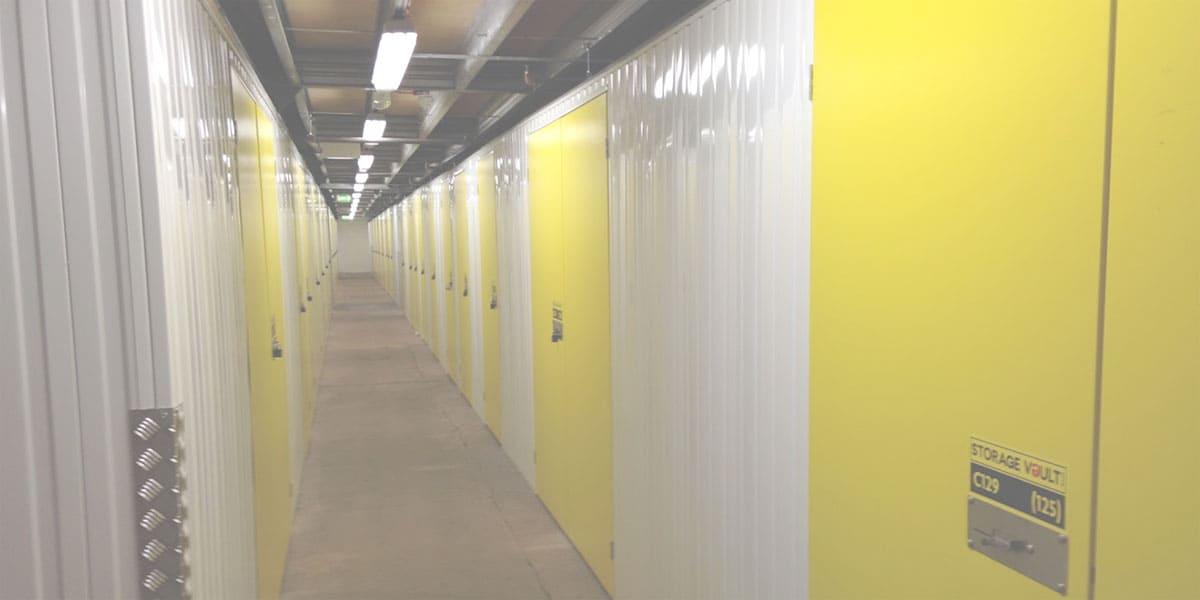
Long-term book storage works best when books are packed carefully and kept in suitable conditions. Storage Vault offers clean, dry and secure storage units across locations in Scotland.
Flexible, short-term and long-term rental agreements
Secure access with 24/7 CCTV protection
Convenient location options across Scotland
Find your nearest Storage Vault unit today to get started, or call our friendly storage team directly 0800 802 1822 for expert advice.
Also read: How To Store Old Books Safely
Frequently Asked Questions about Storing Books Long Term
What is the best way to store books long term?
Keep volumes completely dry, away from sunlight and packed securely inside small, sturdy boxes or on stable shelving.
Should books be stored standing up or lying flat?
Standard books should stand upright with support on both sides. Heavy or oversized volumes are best stored lying flat.
Can I store books in cardboard boxes?
Yes. Use sturdy, dry boxes and avoid overfilling them. For valuable or delicate books, consider acid-free archival boxes instead.
How do I stop books getting damp in storage?
Choose a clean, dry storage space, never pack damp books and keep boxes raised off the floor on suitable shelving.
Can books be kept in a self storage unit long term?
Yes. A clean, dry self storage unit can suit long-term book storage when books are packed and organised correctly. Keep them away from moisture, direct sunlight and excessive weight.



Get in touch